

In a world where coffee costs more than a small island, keeping track of finances can feel like a high-stakes game of Monopoly. Enter digital budget dashboards—the superheroes of personal finance. These nifty tools transform chaotic spreadsheets into vibrant, easy-to-read visuals that make budgeting feel less like a chore and more like a fun game show.
Imagine having all your financial data at your fingertips, neatly organized and ready to help you conquer your spending habits. With a digital budget dashboard, you can wave goodbye to the days of guessing where your money went last month. Instead, it’s time to embrace clarity and control while having a little fun along the way. Let’s dive into the world of digital budget dashboards and discover how they can turn financial confusion into a clear path toward your money goals.
Overview of Digital Budget Dashboards
Digital budget dashboards serve as visual tools that facilitate personal finance management. These platforms consolidate multiple financial elements into a single interface, simplifying the budget tracking experience. Users access charts, graphs, and other visual aids to understand their spending patterns quickly. Clarity is achieved through organized data, allowing individuals to make informed decisions and adjust their budgets as needed.
Key features of digital budget dashboards include real-time updates, which reflect users’ financial activities almost instantly. Automatic data syncing from bank accounts enhances accuracy, eliminating manual entry errors. Moreover, customizable settings allow users to tailor their dashboards to meet personal preferences, showing specific categories relevant to their financial goals.
Integration with other financial tools stands out as a significant advantage. Many dashboards connect seamlessly with applications for expense tracking and investments, providing a comprehensive view of one’s financial health. Security measures, such as encryption and two-factor authentication, add an essential layer of protection, ensuring users’ sensitive information remains safe.
Effective utilization of these dashboards may lead to better spending habits. By highlighting areas where overspending occurs, users can take proactive steps to reduce unnecessary expenses. Additionally, setting financial goals within the dashboard creates accountability, motivating users to stick to their budgets over time.
The increasing popularity of digital budget dashboards reflects a growing demand for simplified financial management solutions. Individuals seeking control over their finances embrace these modern tools as they promote transparency and encourage fiscal responsibility.
Features of Digital Budget Dashboards
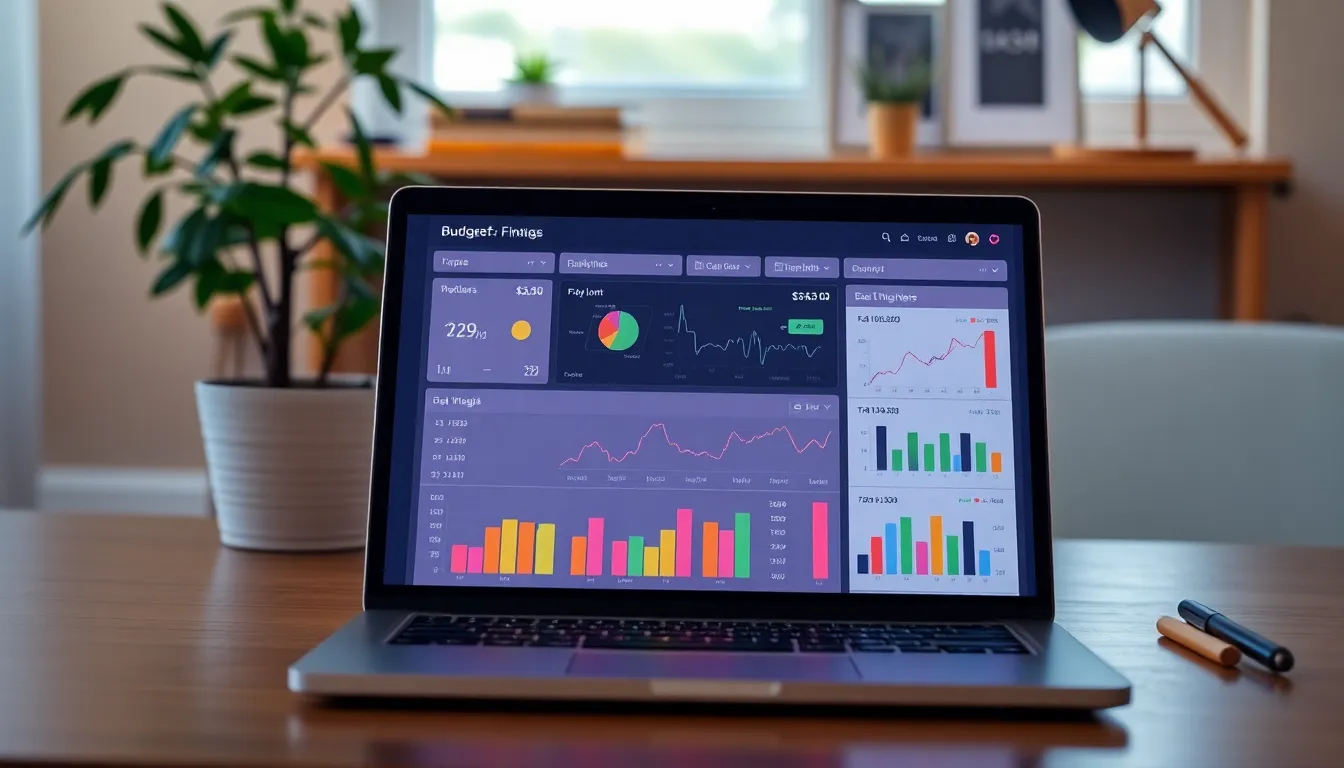

Digital budget dashboards offer several features that enhance financial management. They provide tools designed to help users tailor their budget experiences effectively.
Customization Options
Customization options allow users to adapt dashboards to their individual preferences. Users can choose specific categories for expenses, set budgets, and track income sources. Additionally, visual themes enable personalization to reflect individual styles. Real-time alerts help manage overspending, and pre-set templates simplify initial setup while still offering extensive freedom to modify as needed.
User Interface and Experience
User interface plays a critical role in the effectiveness of digital budget dashboards. Intuitive designs make navigation effortless, ensuring users quickly find relevant information. Colors, icons, and graphs enhance engagement, making complex data easier to digest. Mobile compatibility enables access on-the-go, maintaining consistent user experiences across devices. Fast loading times improve satisfaction, and user feedback often drives continual improvements in design.
Benefits of Using Digital Budget Dashboards
Digital budget dashboards provide vital support for managing financial health. They enhance understanding of personal finances through visual representations that simplify complex data.
Enhanced Financial Tracking
Enhanced financial tracking becomes achievable with digital budget dashboards. Users can view all income streams and expenses in one place. Multiple graphs and charts quickly highlight trends and spending habits. Real-time updates allow for immediate oversight, reducing discrepancies between planned and actual spending. This immediate access to data fosters greater awareness of financial status. Users can categorize spending habits, helping pinpoint areas that require attention. Consistent monitoring eliminates surprises and encourages better financial decisions over time.
Improved Decision-Making
Improved decision-making results from well-organized financial information. Dashboards enable users to make informed choices regarding budgeting and spending. By analyzing data visually, individuals assess their financial habits effectively. The interface often includes features that suggest behavior adjustments based on spending patterns. Incorporating goals makes prioritization easier, aligning decisions with long-term aspirations. Users can test scenarios, understanding the impact of changes in expenditures. Overall, this structured approach boosts confidence when navigating financial choices.
Popular Digital Budget Dashboards on the Market
Several digital budget dashboards stand out for their user-friendly features and effectiveness. They cater to various budgeting needs while offering essential tools for financial management.
Comparison of Top Tools
Mint, YNAB, and Personal Capital rank among the top digital budget dashboards. Mint provides a comprehensive overview of expenses and income with easy bank syncing. YNAB focuses on proactive budgeting, emphasizing the importance of allocating every dollar. Personal Capital distinguishes itself with advanced investment tracking, helping users manage portfolios alongside budgeting. Each tool excels in specific areas, making it important for users to choose one that fits their financial goals.
Unique Features of Each Tool
Mint’s budgeting feature excels in categorizing expenses automatically, ensuring users maintain an organized financial overview. YNAB promotes accountability with its goal-setting tool, encouraging users to plan ahead. Personal Capital’s investment tracking tool offers real-time insights into asset performance, adding value for those focusing on long-term growth. By understanding these unique features, users can select a digital budget dashboard that aligns with their spending habits and financial aspirations.
Digital budget dashboards have become indispensable for anyone looking to take control of their finances. By transforming complex data into engaging visuals they simplify the budgeting process and make financial management more approachable. With features like real-time updates and customizable settings users can tailor their experience to fit their unique needs.
The ability to integrate with other financial tools enhances the overall experience allowing for a comprehensive view of one’s financial health. As these dashboards continue to gain popularity individuals are finding that they not only improve budgeting accuracy but also foster better spending habits. By choosing the right dashboard users can unlock the full potential of their financial management journey and work towards achieving their financial goals with confidence.